How the “King” Was Born
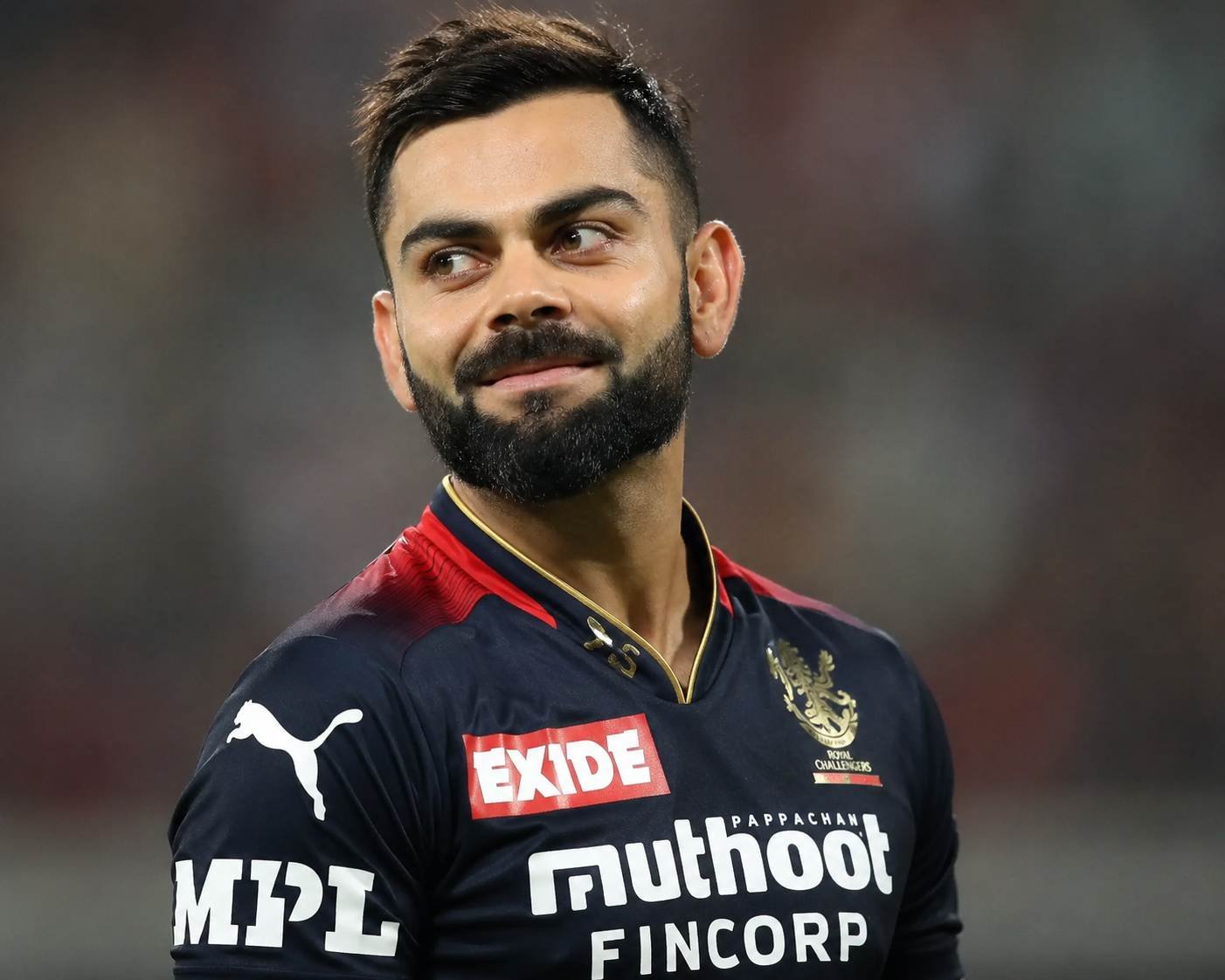
Virat Kohli’s story doesn’t start in a stadium; it starts in a Delhi street, on a dusty ground, with a boy who preferred bat in hand to idle chatter. Born on November 5, 1988, in West Delhi, Virat grew up in a family that loved cricket, but winning matches wasn’t just entertainment for him—it felt like survival.
From an early age, Kohli’s intensity on the field stood out. At the West Delhi Cricket Academy, he trained like someone who knew destiny was watching. He wasn’t just playing to pass time; he was playing to occupy space at the top of scoresheets and team‑sheet lists. That fire, that hunger, slowly turned him into one of the most talked‑about juniors in the city.
His big stage came at the junior level: the 2008 ICC Under‑19 World Cup, where Kohli captained India to victory. As skipper, he led a side that included future stars like Ravindra Jadeja and Manoj Tiwary, and he did it with a mix of aggression and calm thoughtfulness. That trophy wasn’t just a junior‑level win; it was the first loud announcement that India had a new leader in the making.
International Career: Run‑Machine Across Formats
By the time he turned professional, Kohli was already being talked about as a “future batting great.” His international debut came in August 2008, in an ODI against Sri Lanka in Dambulla. That innings ended on 12 runs, but the real story was just beginning.
Over the next 15+ years, Kohli carved a career that spanned all three formats with an almost unfair level of consistency. By 2026, his name had appeared in near every important batting record list, not just in India, but in the world.
Test Cricket: The Ran, The Emotion, The Exit
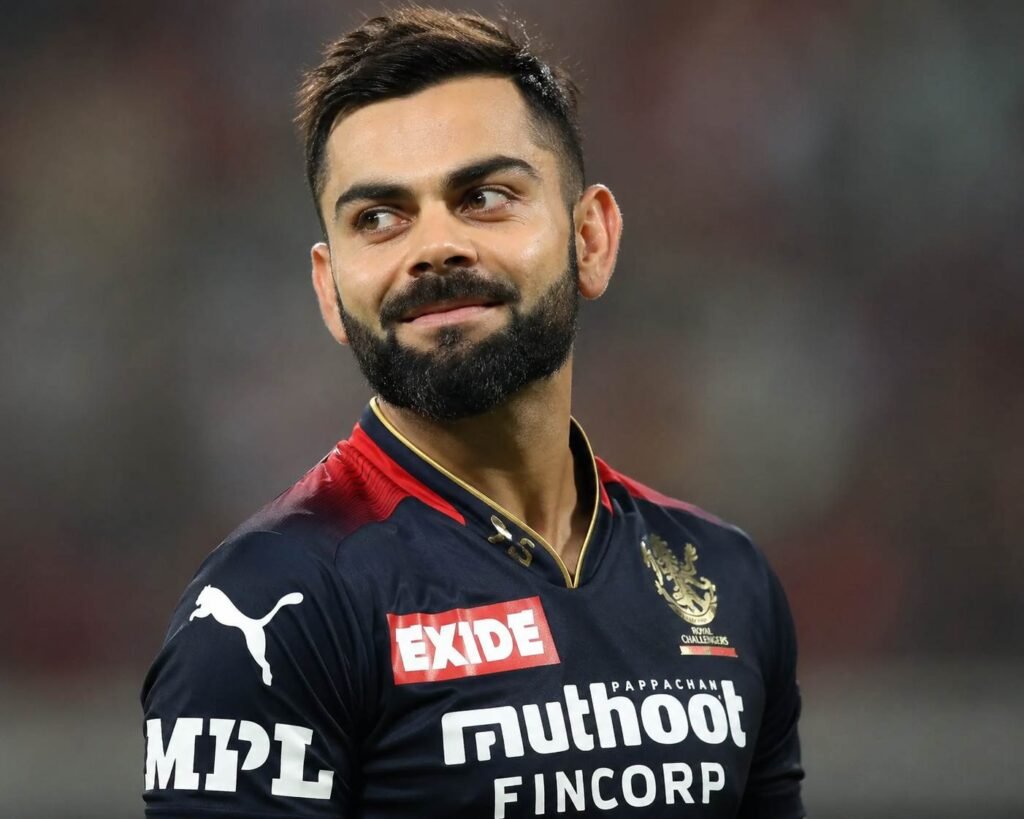
In Test cricket, Virat Kohli finished with 9,230 runs from 123 matches, including 29 centuries and 51 half‑centuries, at an average around 46.85. His 974 rating points in Tests briefly made him the highest‑rated batsman in the world—a record that still stands as the best ever by an Indian.
He was also India’s most successful Test captain, winning 40 Tests from 68 matches and leading the team to historic away‑series wins in Australia and England. His 2014 chase in Adelaide, the 2018–19 win in Australia, and the 2019 tour of West Indies are all remembered as chapters where Kohli’s leadership and personal performance changed the way India approached overseas cricket.
Kohli’s seven double centuries in Tests are the most by any Indian batter, and many of his chases—like the 2014 Adelaide stand or the 2018 Kolkata chase against Australia—feel less like stats and more like emotional roller coasters you replay in your head.
ODIs: The Century King
If Test cricket showed Kohli the thinker, ODIs revealed the “run‑machine.” In one‑day internationals, he has crossed 14,700 runs, with 54 centuries and over 70 fifties—the highest number of ODI centuries in history.
He is also the fastest to 8,000, 10,000, and 12,000 ODI runs, smashing milestones in far fewer innings than legends like Sachin Tendulkar or Ricky Ponting. His 2011 World Cup‑winning campaign, where he came in as a 22‑year‑old helping finish the job with Yuvraj and Sachin, was a quiet turning point—it showed India that the next generation could handle pressure as well as nostalgia.
Over the next decade, Kohli became the primary ODI anchor for India: chasing down targets, guiding the middle order through panic moments, and leading India to the 2013 Champions Trophy as a vice‑captain.
T20Is: The Late‑Bloomer Century
T20Is were a curious chapter in Kohli’s story. For years, he was criticized as “not a T20 specialist,” even as he quietly accumulated runs in the background. All that changed in 2017 when he slammed his maiden T20I century against Afghanistan in the Asia Cup—a 72‑ball 122 that proved age and format labels never really slowed him down.
Even as he cut down his white‑ball workload later in his career, Kohli remained a vital figure in India’s T20 plans. He chased down impossible targets, mentored the young guns, and dragged the team out of pressure moments with that trademark calm control.
Leadership Years: From Captain to Legend
Kohli’s first captaincy stint in Tests came in 2014, when he stepped in during the Australia tour after MS Dhoni was injured. His permanent Test‑captain role started in 2015, and what followed was a wholesale re‑imagining of how India approached overseas cricket—aggressive, fearless, and built on batting dominance.
As Test captain, he led India to nine consecutive Test series wins, equaling Ricky Ponting’s world record. Fielding standards went up, net sessions became more intense, and the “soft‑team” tag that once followed India slowly faded. It was clear that Kohli’s leadership wasn’t just about tactics; it was about culture.
On the white‑ball front, Kohli took over as ODI and T20I captain after Dhoni’s 2016 exit. Under his leadership, India climbed the ICC rankings and became a feared team at home and abroad. He later stepped down from limited‑overs captaincy in 2021–2022, choosing to focus on performance and legacy rather than the administrative load—but his influence on the team’s style and mindset stayed.
Virat Kohli and the IPL: A Love Story With A Happy Ending
The IPL version of Kohli is equal parts number‑cruncher and emotional anchor. From his early days as a young RCB opener to the seasoned run‑machine leading the side, his IPL journey is one of the most complete in the league.
By 2026, Kohli has played over 277 IPL matches, scoring more than 9,000 runs, with an average in the late 30s, multiple half‑centuries, and several explosive knocks. He remains the highest‑run‑scorer in IPL history and an icon of consistency in the T20 era.
The Record‑Shattering 2016 Season
The 2016 IPL season is the stuff of legend. Kohli smashed 973 runs in just 16 innings, at an average of 81.08 and a strike rate of 152.08. In that season alone, he scored 4 centuries and became the first batter to breach the 900‑run mark in a single IPL season.
Those 973 runs earned him the Orange Cap—the symbol of the highest run‑scorer in that IPL edition. Yet, in a cruel twist, the trophy still slipped away from Royal Challengers Bengaluru that year. For fans, it became a bittersweet milestone: Kohli’s personal triumph overshadowed by the team’s near‑miss, fueling memes, debates, and endless “when will they win?” conversations.
RCB’s Wait, Finally Ended (2025)
Year after year, Kohli stayed loyal to RCB, even as critics questioned his leadership and the franchise’s ability to win. That loyalty paid off in IPL 2025, when Royal Challengers Bengaluru lifted the trophy for the first time in their 18‑year history.
Kohli’s role in that triumph was symbolic as much as statistical. He led the side with grit, backed the bowlers, and trusted the process even when the odds were stacked against them. When the final ball was bowled and the celebrations erupted, Kohli was at the center of it all—kissing the trophy, hugging teammates, and finally silencing the ghosts of past IPL heartbreaks.
Records That Define An Era
Trying to list all of Kohli’s records is like walking into a hall of trophies and trying to count them. Here are some of the most significant ones that still hold weight in 2026:
- Most ODI centuries ever – 54 centuries in ODIs.
- Fastest to 10,000 ODI runs – reached the landmark in 205 innings.
- Fastest to 27,000 international runs – achieved in 594 innings.
- Most double centuries in Tests by an Indian – 7 double‑hundreds.
- Highest ICC Test rating ever by an Indian – 974 points.
- Most runs in a single IPL season – 973 runs in 2016.
- All‑time leading run‑scorer in IPL history – over 9,000 runs.
Beyond numbers, Kohli’s greatest “record” is consistency: remaining in the run‑scoring top‑tier for over 15 years, despite age, injuries, and fatherhood, is a feat that defines his legacy as much as any trophy.
The Kohli Persona: Passion, Brand, and Legacy
On the field, Kohli is pure fire. He slides on his knees after a six, chases errant balls like a hunting dog, and fires up the opposition with a mix of aggression and cheeky charm. That same intensity translated into a brand that went beyond cricket—Kohli‑branded fashion, fitness brands, and countless campaigns where he became the face of Indian aspiration.
Off the field, he’s quieter, more grounded, and surprisingly reflective. He speaks openly about mental health, the pressure of being “King Kohli,” and the challenges of balancing family life with a global career. His journey from a Delhi boy to a global icon resonates deeply with young cricketers and fans who see in him not just talent, but discipline, resilience, and the courage to keep fighting when the world counts you out.
Fan Q&A: Virat Kohli Career Explained
Q1: When did you realize you could become a big international star?
“I don’t know if there was one ‘aha’ moment. After the Under‑19 World Cup in 2008, I started feeling that I belonged at this level. But the real realization came when I started scoring consistently in ODIs and Tests—every innings, I told myself this could be my career, so I better give it everything.”
Q2: What’s your relationship with IPL and RCB like now that you’ve finally won the trophy?
“I always said I gave this franchise my soul. Even after all the jokes and memes, I stayed because I believed in the team, the fans, and the city. Winning the IPL in 2025 felt like healing a wound that had been open for 18 years.”
Q3: How do you handle the pressure of being called ‘King Kohli’ and carrying expectations?
“Pressure is just a luxury earned by performance. I’ve learned to see it as a sign that people still care. If you remove the external noise and focus on your preparation, your family, and your own discipline, the pressure becomes fuel, not fear.”
Q4: If you could pick one innings that defines your career, which one would it be?
“There are a few chases in Australia and the 2011 World Cup, but probably the 2014 chase at Adelaide stands out—around 3–4 am in India, this wild chase, and realizing that we were changing how India played overseas. That’s when I felt like we had turned a corner.”
Q5: What message would you give to young Indian cricketers who look up to you?
“Work harder than anyone else, celebrate your failures as lessons, and never forget why you started playing. If you stay honest with your process, the trophies will follow, sooner or later.”
The King’s Legacy
Whether you came to Kohli for his cover drives, his sledging, or his raw emotion after finally winning the IPL, his career is a reminder that greatness isn’t built in highlight reels. It’s built in 18 years of early‑morning gym sessions, late‑night net practices, and the quiet moments when the world is sleeping but he’s still trying to get better.
For RCB fans, the 2025 IPL title is the happy ending to a long, painful saga. For Indian cricket, Kohli’s story is proof that the next generation can match the past, not just in numbers, but in heart.
Disclaimer:
All statistical data, records, and career information used in this article have been sourced from publicly available online resources, including official cricket boards, IPL and sports websites, and reputable media outlets. The images used in this post are also gathered from public‑domain or licensed online sources and are used strictly for educational and illustrative purposes under fair‑use principles. No copyright infringement is intended. If you are the rightful owner of any image or content and wish to have it removed or credited differently, please contact us and we will take prompt action.