
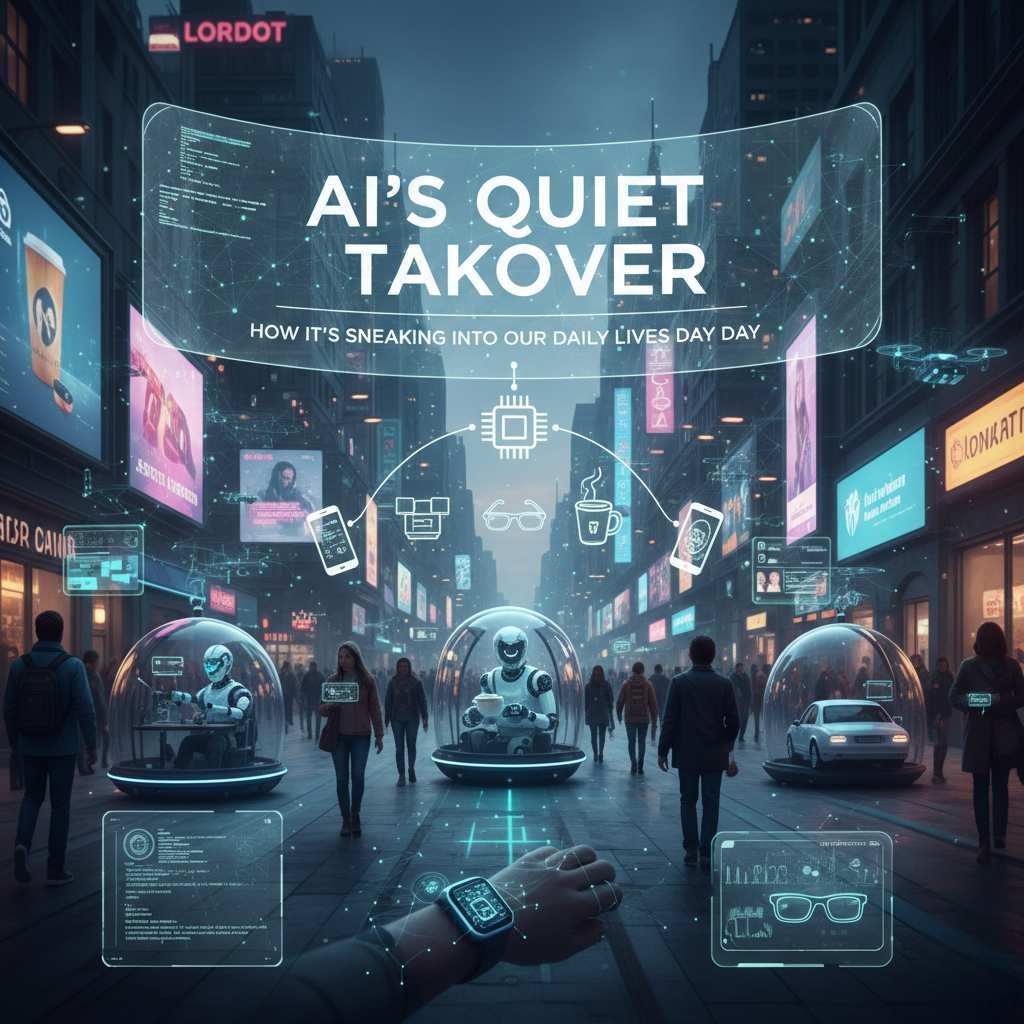
Think about your morning routine—waking up to a smart alarm that knows your sleep cycle, getting traffic updates before you even grab your keys, or having your coffee machine kick on just as you stir. That’s not coincidence; that’s AI working behind the scenes, and its presence is exploding day by day. In 2025, nearly 35% of people use AI tools daily, up massively from just a couple years ago, with over 1.8 billion folks having tried some form of it. Businesses are all in too, with 78% adopting AI across operations, making it the fastest tech rollout in decades.
Morning Kickoff with AI Assistants
Your day probably starts with a voice command to Siri, Alexa, or Google Assistant—setting reminders, checking weather, or playing your playlist. These virtual helpers use natural language processing to chat like a friend, learning your quirks over time to predict needs, like suggesting an umbrella on a cloudy forecast. Smart homes take it further: thermostats like Nest tweak temps based on your habits to save energy, while lights dim automatically for that perfect vibe. It’s seamless, cutting your bills and effort without you lifting a finger.
Commute and Navigation Smarts
Stuck in traffic? Apps like Google Maps or Waze crunch real-time data from millions of users, historical patterns, and even weather to reroute you faster. AI predicts jams before they hit, shaving minutes off your drive every day. Ride-sharing giants like Uber use it for dynamic pricing and matching riders to drivers efficiently. Autonomous vehicles are next-level, with companies testing self-driving tech that spots pedestrians and obstacles better than human eyes in some cases.
Workday Boost from Invisible Helpers
At the office or remote setup, AI’s your silent sidekick. Email tools auto-summarize threads, flagging priorities so you skip the scroll. Content creators lean on it for drafting posts or editing videos, with 18% of users citing creation as a top use. In meetings, transcription apps like Otter.ai turn talks into notes instantly, while customer service chatbots handle 80% of basic queries by 2025, freeing humans for the tough stuff. Productivity jumps—companies see double the output without extra hires.
Shopping and Entertainment Tailored Just for You
Scroll Netflix or Amazon? AI dives into your history to push binge-worthy shows or spot-on products, boosting satisfaction and sales. Social feeds on Instagram or TikTok curate content based on likes and pauses, keeping you hooked. E-commerce fraud detection scans transactions in real-time, blocking sketchy buys before they clear—banks love it for catching overseas oddities instantly. It’s why your feed feels personal, turning casual browsing into addictive discovery.
Health, Finance, and Beyond the Basics
Healthcare’s getting an AI upgrade: apps analyze scans for early cancer signs or suggest treatments from millions of papers in seconds. Fitness trackers monitor heart rates, nudging you to move with custom plans. Finance apps predict spending habits, alerting on impulse buys. Even farming uses it for crop health via drones, optimizing yields. Parents chat with AI for advice (35% do), and 54% of shoppers use it for decisions.
The Bigger Picture: What’s Driving This Boom?
AI’s everywhere because it’s cheap, smart, and scales—ChatGPT alone hit 800 million weekly users by late 2025. Sectors like healthcare grow at 36% yearly, with chatbots triaging patients. Sure, energy demands are huge (23 gigawatts by now), but benefits outweigh: faster decisions, fewer errors, more creativity. Day by day, it’s not replacing us—it’s amplifying what we do best.